Screens Are Shaping Our Children’s Brains — Here’s What Science Just Revealed
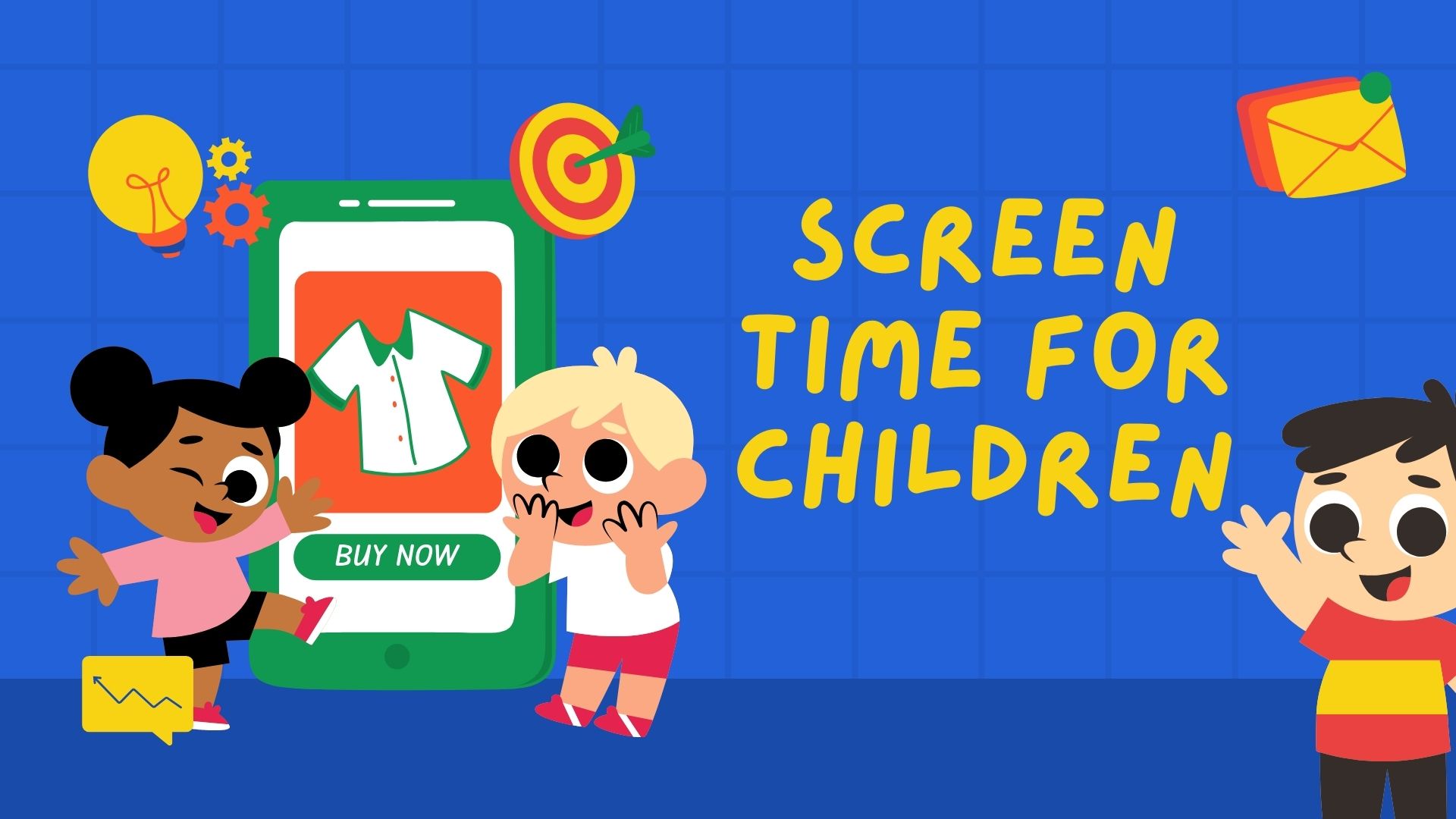
A large-scale, two-year study of nearly 12,000 children (ages 9–10) found that more screen time predicts higher ADHD symptoms later on. Neuroscience News
Key findings:More daily screen use is linked to smaller cortical volume and slower brain growth in regions vital for attention and cognition. Neuroscience NewsBrain structure (cortical volume) partly mediates this relationship — suggesting that heavy screen exposure may delay typical brain maturation in children. Neuroscience News
Why This Matters (from a Psychology + Development Perspective)
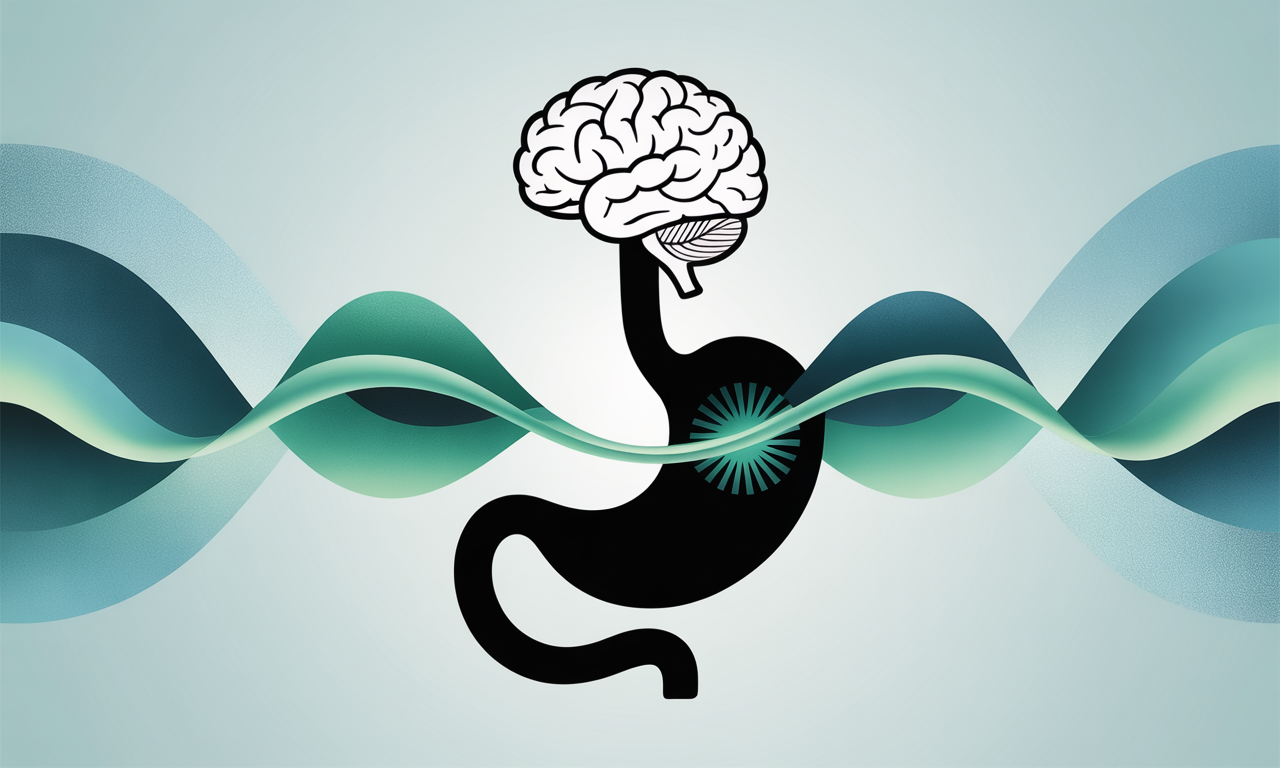
- Developmental Impact: This isn’t just behavior — it’s brain structure. The study highlights how screen habits could physically alter neural development, which has long-term implications for attention, reward-processing, and self-regulation.
- Public Health Concern: In today’s digital-first world, children are exposed to screens more than ever. These findings call for serious rethinking of how much and how screen time is used — especially during critical developmental years.
- Prevention + Awareness: Understanding the neural mechanisms helps us not just treat symptoms, but proactively design healthier media environments for kids — in homes, schools, and communities.
What NuroSpark Can Do: Our Role & Actions
- Integrate digital hygiene training into our courses: Teach both parents and young learners about balanced screen usage, and how to build mindful, structured screen habits.
- Focus on skill-based psychological education: We can use our modules (CBT, self-regulation, attention training) to support children at risk of overexposure.
- Collaborate with schools / communities: Based on these findings, we can work with educators and parents to design screen-time policies and awareness campaigns rooted in neuroscience.
- Research & advocacy: Use insights from studies like this to guide future NuroSpark content, workshops, and research-backed programs.
Bottom line: This study is a powerful reminder that screen time isn’t just a “bad habit” — it’s a developmental factor that can shape a child’s brain and future behavior. As a mental health and psychology-first organization, NuroSpark is deeply committed to translating such evidence into actionable, scalable, and accessible interventions.
Let’s use science to build smarter, healthier screen habits — for our children, for their minds, and for their future.





.jpg)











.jpg)
.jpg)
.jpg)
.jpg)

.jpg)
.jpg)
.jpg)
.jpg)
.jpg)
.jpg)